Long-Distance Motorcycling Guide: Tips for Cross Country Motorcycle Adventures in USA & Europe
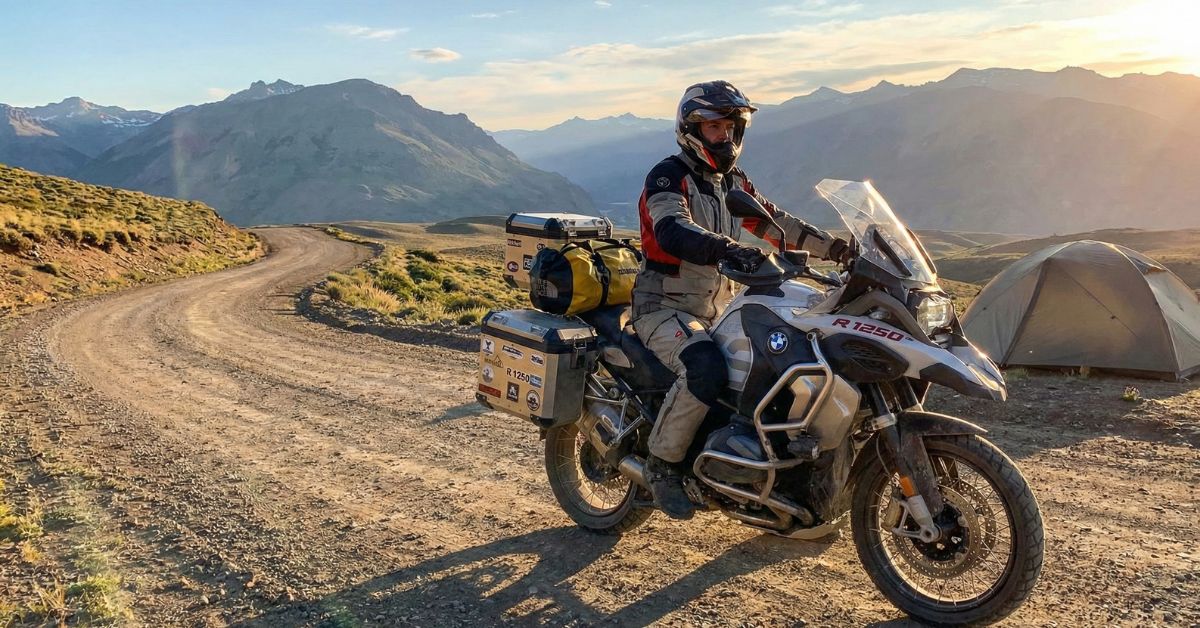
Long-distance motorcycling isn’t just a hobby — it’s a lifestyle built on freedom, endurance, and the joy of exploring breathtaking landscapes on two wheels. Whether you’re cruising along the endless highways of the USA or riding through the historic towns and mountain passes of Europe, long-distance motorcycle travel offers an unmatched sense of adventure. Riders today are embracing long-distance motorcycling more than ever, thanks to improved touring bikes, safer gear, and well-developed road networks across both regions. In the United States, the open-road culture is deeply rooted, making motorcycle touring a natural choice for riders who want to experience iconic routes like Route 66, Pacific Coast Highway, or the Blue Ridge Parkway. Across Europe, the charm lies in its diverse terrains — from winding Alpine passes to coastal cliffs and medieval villages — all connected by some of the world’s most scenic touring routes. No matter where you ride, long-distance journeys test your stamina, reward your persistence, and strengthen your connection with the road. As more riders seek meaningful escapes, endurance riding has become a popular way to break routine, push personal limits, and truly experience the world at a slower, more immersive pace. This guide will help you understand everything you need to know about planning, preparing, and enjoying your next long-distance motorcycle adventure — safely and confidently.
Must Read: How to prepare for Motorcycle trip?
What Counts as Long Distance Motorcycling?
When riders talk about long-distance motorcycling, the meaning can vary depending on where you are riding — especially between the vast highways of the USA and the compact, diverse landscapes of Europe. But generally, long-distance riding refers to any motorcycle journey that covers extended mileage over multiple hours or days, requiring endurance, planning, and proper touring gear.
USA
In the United States, the scale is massive. Riders often consider 250–400 miles (400–650 km) per day as typical long-distance travel, especially on interstates where speeds are high, and distances between destinations are wide. Cross-country trips can easily stretch into thousands of miles, making endurance riding a key part of American motorcycle culture.
Europe
In Europe, long-distance motorcycling is defined more by the terrain and complexity rather than pure mileage. Instead of straight highways, riders tackle curvy mountain passes, narrow countryside roads, and border crossings. A long-distance day in Europe usually ranges between 150–300 miles (250–500 km) because of winding routes, frequent stops, and landmark-rich paths.
What Really Matters?
Mileage is only one factor. What defines long-distance motorcycle travel is:
- Riding for several hours a day
- Covering multiple regions or states
- Needing careful route planning
- Managing fatigue and weather
- Packing gear for long-haul comfort
Regardless of the region, long-distance motorcycling is about endurance, exploration, and the ability to stay comfortable and focused on the road for extended periods. It’s less about speed — and more about how far your passion for adventure can take you.
Choosing the Right Motorcycle for Long-Distance Rides
Selecting the right motorcycle is one of the most important decisions you’ll make before starting your long-distance motorcycling adventure. Whether you're cruising across the wide-open highways of the USA or navigating the twisty Alpine passes of Europe, the ideal long-distance bike should offer comfort, stability, luggage capacity, and the endurance to handle changing road conditions. Perfect for: USA Interstates, long daily distances, smooth cruising Touring bikes are built for comfort during endurance riding. They offer plush seating, large fuel tanks, wind protection, and plenty of luggage space. Popular models include:
- Harley-Davidson Road Glide / Street Glide
- Honda Gold Wing
- Indian Chieftain / Roadmaster
These motorcycles shine on long American highways where you may ride 300+ miles per day without fatigue.
Adventure Motorcycles
Adventure motorcycles are extremely popular among riders planning long-distance motorcycle travel, especially in Europe, where roads vary from tight village lanes to high-altitude passes.
Top choices include:
- BMW GS Series (1250GS / 850GS)
- KTM Adventure Series
- Triumph Tiger 900/1200
- Yamaha Tracer / Super Ténéré
ADVs offer upright seating, excellent suspension, better control on rough roads, and capacity for heavy luggage — ideal for long, scenic touring routes.
Sport-Touring Bikes: Fast, Agile & Comfortable
Sport-touring bikes combine speed with long-distance ergonomics. They’re great for European autobahns and American highways alike.
Popular Options Includes:
- Yamaha Tracer 9 GT
- Kawasaki Ninja 1000SX
- BMW R1250RT
These bikes deliver agility in twisty sections while staying comfortable for several-hour rides.
Cruisers: Relaxed Riding for Scenic Routes
Cruisers offer low seat height, relaxed ergonomics, and torque-heavy engines ideal for enjoying coastal rides and countryside cruising.
What to Prioritize When Choosing Your Long-Distance Motorcycle?
Regardless of the category, the best bike for long-distance motorcycling should have:
- Comfortable seat & upright ergonomics
- Good wind protection
- Strong luggage mounting options
- Large fuel range
- Reliable engine & smooth power delivery
- Low vibrations at highway speeds
A motorcycle that suits your body type, riding style, and typical terrain will make your long-distance journey more enjoyable and far safer.
Pre-Ride Motorcycle Preparation
Before you embark on any long-distance motorcycling adventure, your motorcycle must be in peak condition. Long rides push your machine harder than everyday commuting — higher speeds, more hours on the road, varying temperatures, and heavier loads. Proper preparation ensures you stay safe, avoid breakdowns, and enjoy smooth touring across the USA or Europe.
Check Tire Condition & Pressure
Tires are your only connection to the road, making them the most critical part of your pre-ride inspection.
- Ensure tread depth is safe
- Inspect for cuts, cracks, or uneven wear
- Set tyre pressure as per your manual (higher for luggage/load)
- Properly inflated tyres improve stability and fuel efficiency during long-distance motorcycling.
Inspect Chain & Sprockets (or Belt/ Shaft Drive)
A worn-out chain or sprocket can ruin a tour.
- Clean and lubricate the chain
- Make sure tension is correct
- Inspect sprocket teeth for wear
- Touring across mixed terrains in Europe’s mountain passes or the USA’s dusty highways demands a well-maintained drivetrain.
Check Oil, Coolant & Brake Fluids
Long hours on the road generate more heat — so fluids must be fresh and full.
- Change engine oil if nearing due
- Check coolant for proper level & color
- Ensure front and rear brake fluids are within limits
- Ignoring this step can lead to overheating or brake fade during endurance rides.
Inspect Brake Pads & Discs
Strong brakes are essential for sudden stops on highways or steep descents in the Alps.
- Check pad thickness
- Look for disc warping
- Ensure brakes feel firm, not spongy
Test Your Lights & Electrical System
Visibility and signalling are crucial during long-distance motorcycle travel.
Make sure:
- Headlights (both high & low beams) work
- Indicators and brake lights function
- USB ports and phone chargers are operational
- Battery is healthy and holding charge
Adjust Suspension for Touring Weight
With luggage, the rear suspension needs adjustment.
- Increase preload to prevent bottoming out
- Adjust damping for stability
- This is vital for safe handling on European mountain curves or rough American backroads.
Secure All Bolts, Nuts & Luggage Mounts
Use a torque wrench to ensure critical fasteners are tight:
- Handlebar clamps
- Brake calipers
- Luggage racks
- Crash guards
A loose bolt at 70 mph can be dangerous.
Carry Essential Tools & Repair Kit
Every rider doing long-distance motorcycling should carry:
- Tire plug kit
- Portable air pump
- Multitool
- Basic spanners
- Extra fuses & bulbs
These tools can save you hours in remote areas. Proper pre-ride preparation is the foundation of a safe, enjoyable, and worry-free tour. When your motorcycle is fully ready, you can focus entirely on the road, the scenery, and the adventure ahead.
Essential Riding Gear for Long Distance Motorcycling
For any long-distance motorcycling trip, the right gear can make the difference between an enjoyable ride and a stressful one. Keep your setup simple but effective.
- Helmet- Choose a full-face or modular helmet with good ventilation and low wind noise.
- Riding Jackets & Pants- Go for CE-rated protection, breathable material, and removable liners for changing weather.
- Gloves and boots- Armoured gloves and ankle-protected boots keep your hands and feet safe during long hours.
- Base Layers- Moisture-wicking layers help you stay comfortable in both hot and cold climates.
- Luggage System- Saddlebags, tail bags, or panniers keep your essentials organised without affecting balance.
- Navigation & Mounts- A sturdy phone/GPS mount is crucial for long highway stretches and unfamiliar European routes.
How to Plan Your Route (USA & Europe)
Planning your route well ensures your long-distance motorcycling trip stays smooth, safe, and exciting.
USA Route Planning
America offers long, open highways perfect for high-mileage touring. Popular long-distance routes include:
- Route 66 – Classic cross-country experience
- Pacific Coast Highway (PCH) – Stunning ocean views
- Blue Ridge Parkway – Smooth mountain curves
Use apps like Rever, Google Maps, or Butler Maps to find scenic, motorcycle-friendly routes.
Europe Route Planning
European roads are shorter but more technical and scenic. Top choices:
- Stelvio Pass (Italy) – Famous switchbacks
- NC500 (Scotland) – Rugged coastal beauty
- Grossglockner (Austria) – High Alpine adventure
Plan for shorter daily distances due to tighter and more complex roads.
General Tips
- Break your ride into manageable daily segments
- Identify fuel stops, food points, and rest areas
- Always download offline maps for remote areas
- Consider the weather and elevation change
7. Packing Checklist for Long Distance Motorcycling
Packing smart is essential for both long-distance motorcycling and cross-country motorcycling. You don’t need a lot — just the right things in the right place.
Tools & Repair Essentials
- Compact toolkit
- Tire plug kit + mini air pump
- Zip ties, duct tape, spare fuses
These basics can save your trip if something goes wrong on remote highways.
Hydration & Snacks
- Hydration pack or water bottle
- Energy bars or nuts
- Staying hydrated is crucial, especially during cross-country motorcycling, where fuel stops can be far apart.
Clothing Essentials
- Base layers
- Extra gloves
- Weatherproof layers
- Carry lightweight and packable clothing so you stay comfortable across changing climates.
Travel Must-Haves
- Phone charger/power bank
- First aid kit
- Navigation device or GPS mount
- Rain gear
Luggage Setup
Choose saddle bags, panniers, or a tail bag depending on how much you need. Maintain a balanced weight for improved handling during long rides.
Nutrition, Hydration & Endurance Riding Strategies
Staying energised is one of the most important parts of long-distance motorcycling, especially cross-country motorcycling, where you may ride for several hours without major breaks.
Hydration Comes First
Drink small amounts frequently rather than chugging water at once.
A hydration pack is the best option — you can sip while riding without stopping.
Eat Light, Ride Longer
Choose foods that give steady energy:
- Nuts
- Protein bars
- Bananas
- Sandwiches
Avoid heavy or greasy meals that cause fatigue during long miles.
Take Breaks Before You Feel Tired
Stop every 60–90 minutes to stretch, breathe, and reset. Short breaks improve focus and reduce fatigue, especially on long, empty American highways or Europe’s twisty mountain roads.
Manage Your Energy, Not Just Speed
Ride at a pace you can maintain for hours. Endurance is more important than riding fast.
Stay Mentally Fresh
Music, podcasts, or simply enjoying the scenery keep your mind engaged during long hours on the road.
How to Ride Safely on Long Roads
Safety becomes even more important during long-distance motorcycling and cross-country motorcycling, where changing road conditions, high speeds, and rider fatigue can increase risks.
Maintain a Safe, Steady Pace
Ride at a speed you can handle comfortably for hours. Smooth, controlled riding is safer than pushing limits.
Keep a Safe Following Distance
Give yourself enough room to brake or react — especially on highways with trucks or RVs.
Avoid Riding at Night When Possible
Visibility drops significantly, wildlife becomes active, and fatigue sets in faster. Daytime riding is always safer on long routes.
Stay Visible
Use reflective strips, keep headlights on, and position yourself where other drivers can see you easily.
Be Cautious on Curvy & Mountain Roads
European passes and American backroads can be unpredictable. Ride slow into corners, look through the turn, and avoid sudden braking.
Take Breaks Before You’re Tired
Fatigue is one of the leading causes of accidents on long rides. Stop regularly to stretch, hydrate, and reset.
Weather Challenges in USA & Europe
Weather can make or break your long-distance or cross-country motorcycling adventure. Planning for changing conditions is essential for safety and comfort.
USA Weather Challenges
- Deserts (Arizona, Nevada): Extreme heat, dry winds — stay hydrated and wear ventilated gear.
- Pacific Northwest: Heavy rain, slippery roads — waterproof gear and tires with good grip are essential.
- Mountain passes: Sudden temperature drops — bring thermal layers.
Europe Weather Challenges
- Alpine passes: Snow or ice in higher altitudes — check forecasts, carry warm layers.
- UK & Northern Europe: Frequent rain and strong winds — waterproof clothing and reliable wind protection are key.
- Southern Europe: Hot summers — light, breathable gear, and sun protection are crucial.
General Tips
- Always check the local weather before riding
- Pack modular gear for quick layering
- Adjust speed and breaks based on conditions
Proper preparation ensures your long-distance motorcycling experience is safe and enjoyable, no matter the region.
Conclusion
Embarking on a long-distance or cross-country motorcycling adventure is one of the most rewarding ways to explore the USA and Europe. With proper planning, the right bike, essential gear, smart packing, and a focus on safety, you can make every mile enjoyable and memorable. From choosing scenic routes to managing nutrition, weather, and endurance, preparation is key.
Remember, it’s not just about reaching your destination — it’s about enjoying the journey, feeling the thrill of the open road, and creating experiences you’ll never forget. Gear up, ride smart, and let the road guide your adventure.