How to Prepare for Motorcycle Road Trip: Complete Guide for a Safe & Fun Ride
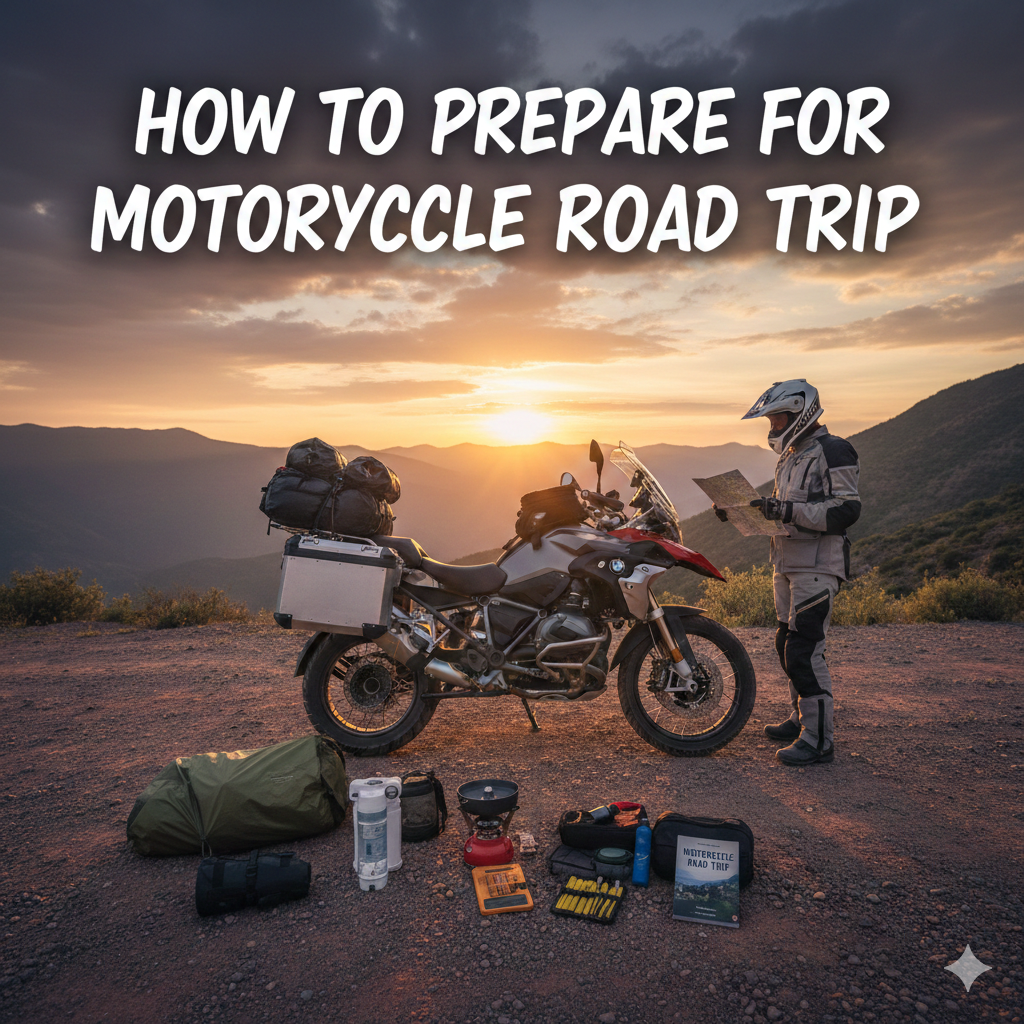
Going on a road trip on motorcycle is one of the most freeing and exciting ways to explore new places. The open road, fresh air, and that raw connection with your machine make the experience unforgettable. But unlike car trips, riding a motorcycle for long distances requires proper planning, the right gear, and a well-maintained bike. That’s why understanding how to prepare for motorcycle road trip is extremely important, especially if you want a smooth, safe, and enjoyable journey. Whether you're heading into the mountains, riding along the coast, or taking a multi-day cross-country route, the success of your trip depends on how well you prepare. From servicing your motorcycle to packing the right essentials, planning your route, and gearing up for different weather conditions—every step matters. In this guide, we’ll walk you through everything you need to know before you hit the road, so your motorcycle trip becomes memorable for all the right reasons.
Choose the Right Motorcycle for the Trip
Before you even start figuring out how to prepare for motorcycle road trip, the first and most important step is choosing the right bike for your journey. A road trip on motorcycle becomes much more enjoyable when your machine matches the terrain, distance, and comfort you need.
Best Budget Motorcycle for long rides
Touring Motorcycles
If you’re planning long hours on the highway, touring bikes are the best choice. They offer:
- Comfortable upright seating
- Wind protection
- Large fuel tanks
- Better luggage options
Examples: Royal Enfield Himalayan, Suzuki V-Strom SX, Hero XPulse 200T, Honda CB350.
Adventure Motorcycles (ADV)
For mixed terrain—roads, broken patches, mountains—ADVs are ideal. They come with:
- Long travel suspension
- Higher ground clearance
- Comfortable ergonomics
- Rugged build
These bikes make rough roads feel manageable and safe.
Cruisers
If comfort is your priority and you love a relaxed riding style, cruiser motorcycles are perfect. They offer:
- Wide seats
- Relaxed posture
- Good highway stability
Examples: Royal Enfield Meteor 350, Jawa Perak, Bajaj Avenger Cruise 220.
Naked Street Bikes
Naked bikes can also handle long rides if you choose wisely. They are:
- Lightweight
- Easy to maneuver
- Fuel-efficient
But for very long trips, you may need to add windshields and luggage accessories.
Things to Consider While Choosing a Motorcycle
Regardless of the category, make sure your bike has:
- Comfortable seat for long hours
- Good fuel economy
- Stable highway behaviour
- Low vibrations
- Enough power for overtaking
- Space for luggage
The right motorcycle doesn’t have to be the most expensive—it just needs to be reliable and comfortable for your style of travel.
Get Your Motorcycle Serviced Before the Trip
One of the most important steps in how to prepare for motorcycle road trip is making sure your bike is in perfect mechanical condition. A road trip on motorcycle means long hours on the road, unpredictable terrain, and constant engine stress — so a complete service check is non-negotiable.
Here’s what you must inspect or replace before starting your journey:
Engine Oil & Filter
Engine oil is the lifeblood of your motorcycle.
- Replace the oil if it's close to the next service interval.
- Always check the oil level and top up if needed.
- If possible, clean or replace the oil filter too.
Fresh oil ensures smoother performance and better engine protection during long rides.
Brake Pads & Brake Fluid
Brakes are your most important safety component.
- Check brake pads for wear. Replace if they are even slightly thin.
- Inspect brake fluid levels—low or old fluid reduces braking efficiency.
Good brakes make a huge difference on highways and mountain routes.
Tires: Tread, Pressure & Age
Your tyres must be in top shape.
- Ensure there’s enough tread left (2mm+ recommended).
- Check for cracks, punctures, or uneven wear.
- Maintain correct tyre pressure—over-inflation or under-inflation can be risky.
Old tyres harden and lose grip, especially on long rides or wet roads.
Chain Lubrication & Tension
A properly lubricated and tensioned chain ensures smooth power delivery.
- Clean the chain thoroughly.
- Lubricate it with a good-quality chain lube.
- Adjust the slack as per your bike’s manual.
Carry a small chain lube can for re-lubing every 500–600 km.
Lights, Indicators & Horn
Before a road trip on motorcycle, check all electricals:
- Headlight (high/low beam)
- Indicators
- Tail and brake lights
- Horn
Riding without proper lights is extremely dangerous, especially in fog, rain, or night conditions.
Suspension Check
Ensure your front and rear suspension is working smoothly.
- Look for oil leaks in the front forks.
- Adjust the rear suspension according to the luggage load.
Correct suspension settings make a huge difference in comfort.
Coolant & Air Filter
For liquid-cooled bikes:
- Check coolant levels and top up if required.
- For all bikes:
- Clean or replace the air filter—dust reduces power and mileage.
Nuts, Bolts & Overall Inspection
Ask your mechanic to check:
- Loose bolts
- Handlebar alignment
- Clutch play
- Battery health
A quick tightening session can prevent many problems on the road.
Proper servicing gives you confidence, prevents breakdowns, and makes your motorcycle ready for any challenge the road throws at you.
Carry Essential Riding Gear
A big part of how to prepare for motorcycle road trip is choosing the right riding gear. Good gear doesn’t just make your journey comfortable—it protects you from injuries, weather changes, and fatigue. When you’re on a long road trip on motorcycle, the right gear can literally be a lifesaver.
Here’s everything you should carry:
Helmet (ISI/DOT/ECE Certified)
Your helmet is the most important gear you’ll pack.
- Choose a full-face or modular helmet for highway rides.
- Make sure it fits snugly and doesn’t wobble.
- An anti-fog visor or pinlock is a big advantage in rain or cold weather.
A high-quality helmet greatly improves comfort and safety on long rides.
Riding Jacket
A good jacket protects you from wind, dust, crashes, and sudden weather changes.
Look for:
- Shoulder, elbow, and back protectors
- Ventilation zippers for summer
- Rain liners or thermal liners for winter
Mesh jackets are great for Indian weather.
Riding Gloves
Gloves help you maintain grip and protect your palms.
Carry two pairs if possible:
- Full-gauntlet gloves for highways
- Short gloves for city rides or hot weather
They reduce fatigue and shield your hands from cold wind.
Riding Pants or Knee Guards
Regular jeans cannot protect you during a fall.
Choose either:
- Dedicated riding pants with knee/hip protection
- Or high-quality knee guards paired with durable pants
Comfortable lower-body gear makes long hours of riding much easier.
Riding Boots
Proper boots protect your ankles and keep your feet stable on long rides.
Look for:
- Ankle protection
- Non-slip sole
- Water resistance
- Comfortable padding
Even basic riding boots are far better than sneakers.
Rain Gear
The weather is unpredictable, especially in the mountains or coastal areas.
Carry:
- A rain jacket + pants
- Waterproof gloves or glove covers
- Waterproof boot covers
Good rain gear keeps you dry, warm, and focused on the road.
Winter Gear (If Riding in Cold Regions)
If your ride involves hills or high altitudes, pack:
- Thermal innerwear
- Balaclava
- Neck warmer
- Winter gloves
Cold winds can easily lower your stamina and reduce your concentration.
Bonus Essentials
- Earplugs (to reduce wind noise)
- Sunglasses for daytime riding
- Hydration pack or water bottle holder
Even small items like these can add a lot of comfort to your trip.
Having the right riding gear is one of the smartest ways to stay safe, comfortable, and confident during a long motorcycle journey.
Pack Smart: Luggage & Essentials
Packing smart is one of the most underrated parts of how to prepare for motorcycle road trip. Unlike cars, motorcycles offer limited space, so every item you carry must have a purpose. Overpacking can affect balance, reduce mileage, and make handling difficult—especially on curves or rough patches. When you’re heading for a long road trip on motorcycle, efficient packing is the key to a smooth experience.
Here’s how to do it right:
Choose the Right Luggage Setup
Motorcycle luggage systems come in different types. Pick the one that suits your bike and route.
Saddle Bags
- Best for long trips
- Balanced on both sides
- Large storage space
Ideal for most touring or naked motorcycles.
Tank Bag
- Great for quick-access items
- Mobile holder on top for navigation
- Magnetic or strap-based options
Perfect for wallets, documents, chargers, and snacks.
Tail Bag
- Fits securely behind the seat
- Good for solo riders
- Works well with bikes that have narrow tail sections
Dry Bags
- 100% waterproof
- Ideal for monsoon or mountain rides
Use bungee cords to secure them firmly.
Essential Tools to Carry
Every rider must carry a small tool kit. It can save your trip in case of a minor breakdown.
- Basic toolkit (the one that came with your bike)
- Puncture repair kit (tube or tubeless)
- Portable air pump or CO₂ inflator
- Spare fuses
- Spare clutch and accelerator cable (important for long rides)
- Chain lube (reapply every 500–600 km)
These tiny tools can prevent huge delays during the journey.
First-Aid Kit
A proper first-aid kit is non-negotiable.
Include:
- Bandages & gauze
- Antiseptic wipes
- Pain relief spray
- Basic medicines (headache, fever, stomach issues)
- ORS packets (for hydration)
Mountain and coastal routes often have long stretches without medical facilities, so a first-aid kit helps in emergencies.
Tech & Electronics
In today’s world, gadgets play a big role in navigation and safety.
Carry:
- Power bank (10,000–20,000 mAh)
- USB charger for the bike
- Phone mount
- Spare mobile charging cable
- Torch or headlamp
A phone mount makes navigation easy and safer.
Hydration & Snacks
Always keep yourself hydrated, especially on hot highways.
- 2–3 water bottles
- Energy bars
- Electrolyte packets
- Dry fruits
This helps maintain stamina and prevents fatigue.
Extra Items That Help a Lot
Small items that give big comfort on long rides:
- Bungee cords
- Zip ties
- Microfiber cloth
- Chain cleaning brush
- Small towel
- Garbage bag (for wet clothes or waste)
- Spare pair of socks
These things often come in handy at the right moment.
Packing smart is not about carrying everything—it’s about carrying only what you truly need. The lighter and better-organised your luggage is, the smoother your motorcycle trip will feel.
Plan Your Route in Advance
A major part of how to prepare for motorcycle road trip is planning your route properly. Unlike car travel, a road trip on motorcycle demands more awareness about road conditions, weather, fuel stops, and safety. Good planning not only saves time but also prevents you from getting stuck in remote areas without fuel, food, or shelter.
Here’s how to plan your route like a pro:
Check Road Conditions
Before you start, research the roads you’ll be riding on.
Look for:
- Current road quality
- Ongoing construction
- Landslide-prone areas (if riding in mountains)
- Waterlogging zones (during monsoon)
Google Maps, YouTube vlogs, and recent travel blogs help a lot in getting updated road information.
Plan Fuel Stops
Motorcycles have smaller tanks compared to cars.
So make sure to:
- Note all fuel stations on your route
- Avoid stretching your fuel too much
- Refuel whenever your tank reaches 40–50%
In remote or mountain routes, you might find fuel sold in bottles at shops—avoid unless necessary.
Mark Food and Rest Stops
Riding continuously is risky and exhausting.
Plan breaks every 80–120 km for:
- Food
- Hydration
- Stretching
- Quick rest
Breaks keep your body fresh and improve focus on the road.
Decide Your Start Time
Starting early in the morning has many advantages:
- Less traffic
- Cooler temperature
- Better visibility
- More riding time during daylight
Avoid riding late at night unless it's necessary.
Keep Offline Maps
Network issues are common on highways, mountains, and forests.
Download offline maps on:
- Google Maps
- Maps.me
- Any offline GPS app
This ensures you don’t get lost if your network drops.
Pre-Book Your Stay
If your trip involves multiple days:
- Pre-book hotels or homestays
- Read reviews from riders
- Choose places with safe parking
This helps avoid stress after a long riding day.
Share Your Route With Someone
Always inform a family member or friend about your:
- Route
- Stops
- Night stay location
Sharing your live location while riding adds an extra layer of safety.
Planning your route properly ensures your journey stays smooth, enjoyable, and safe—no matter where you’re going.
Essential Safety Tips for Every Rider
Safety is the backbone of every successful motorcycle journey. No matter how well you plan your adventure or how experienced you are as a rider, sticking to a few essential safety guidelines can make your road trip on motorcycle smoother and risk-free. As you learn how to prepare for motorcycle road trip, make sure these safety measures become a non-negotiable part of your riding routine.
• Wear Proper Riding Gear
Before anything else, gear up correctly. A high-quality helmet, padded riding jacket, gloves, knee guards, and boots are crucial. Riding gear protects you from injury, harsh winds, dust, and unexpected weather changes. Even on a short trip, never compromise on protective gear.
• Maintain Safe Riding Speeds
Enjoy the ride, but don’t push your limits. Long highways and scenic mountain roads may tempt you to ride faster, but steady and controlled speeds help you react better to sudden obstacles or unpredictable traffic.
• Take Frequent Breaks
Fatigue is one of the biggest threats on long motorcycle trips. Take a 10–15 minute break every 60–90 minutes to relax your back, hydrate, stretch, and regain concentration. This is a crucial step in how to prepare for motorcycle road trip without exhaustion.
• Stay Alert and Avoid Night Riding
Night riding may seem adventurous, but visibility drops drastically after sunset. Stick to daytime riding whenever possible. If you must ride at night, reduce your speed, use proper lights, and stay extra attentive.
• Follow Traffic Rules and Respect Other Road Users
Whether you’re riding through highways, villages, or busy city roads, follow traffic rules strictly. Use hand signals, indicators, and always maintain safe distance from trucks and buses. Respecting the road keeps you safe.
• Be Emergency-Ready
Carry a first-aid kit, flashlight, emergency contacts, and a few basic tools. These essentials become extremely valuable in remote areas or unexpected situations.
Conclusion
Preparing for a motorcycle journey is more than just filling your tank and hitting the highway — it’s about planning smart, packing right, and riding with a clear mind. When you understand how to prepare for motorcycle road trip, everything becomes smoother: your bike performs better, you stay safer, and the overall experience becomes far more enjoyable. From selecting the right motorcycle and carrying essential tools to staying hydrated and following safety rules, each step adds to a memorable and stress-free adventure.
A well-planned road trip on motorcycle gives you the freedom to explore, enjoy scenic routes, and feel the thrill of the open road without unnecessary risks or breakdowns. So take your time, prepare thoroughly, gear up properly, and ride with confidence. The better your preparation, the better your journey will be.